Can Cracked Marble Countertops Be Repaired?
Yes! Most marble cracks can be professionally repaired. Learn about epoxy filling, crack stabilization, and when replacement might be necessary. We explain the repair process and costs.
Expert tips for marble, granite, Corian, and solid surface countertops. Learn how to repair scratches, remove stains, fix cracks, and maintain your countertops like a pro. 30+ years of industry expertise.
Everything you need to know about maintaining, repairing, and restoring marble, granite, and natural stone countertops.
Marble is beautiful but requires special care. Learn the professional techniques we use to restore damaged marble countertops, including how to identify different types of damage and when to call a professional.
Yes! Most marble cracks can be professionally repaired. Learn about epoxy filling, crack stabilization, and when replacement might be necessary. We explain the repair process and costs.
Water rings and etching from acidic substances are the most common marble problems. Discover what causes them, prevention tips, and how professionals restore the surface to like-new condition.
Professional repair can save you thousands compared to full replacement. Learn when repair makes sense, the repair process, and how to get a free quote for your project.
Proper sealing protects your investment. Learn the water drop test, recommended sealing schedules, best sealers to use, and signs your marble needs resealing.
Professional polishing can transform dull, etched marble back to its original shine. Learn about the honing and polishing process, timeframes, and stunning before/after results.
Each natural stone has unique properties affecting repair methods. Understand why granite chips differently than marble, and how quartzite requires specialized techniques.
This is a critical distinction many homeowners don't understand. Learn why sealers protect against stains but NOT acid etching, and what really works to prevent etch marks on marble.
Understanding the science behind stone damage helps you prevent it. Learn about acid reactions, porosity, mineral composition, and how everyday use affects different stone types over time.
Sealed marble can still develop etch marks and stains. Learn why sealing isn't foolproof, immediate steps to take when damage occurs, DIY remedies vs. professional help, and better protection options.
Have a marble countertop issue not covered here?
Get a Free AssessmentA comprehensive guide to identifying, preventing, and repairing scratches on marble countertops. Learn when you can DIY and when to call a professional.
Marble is a metamorphic rock composed primarily of calcite, making it relatively soft compared to granite or quartz. On the Mohs hardness scale, marble rates between 3-4, meaning it can be scratched by harder materials like sand, grit, or even some metals.
Pro Tip: Most "scratches" on marble countertops are actually etch marks from acidic substances like lemon juice, vinegar, or wine. The repair approach differs significantly.
Common causes of marble scratches:
Important: The repair method differs! Scratches require physical removal through sanding and polishing, while etch marks can sometimes be removed with specialized marble polishing compounds.
For very light surface scratches (ones you can barely feel with your fingernail), you may attempt these DIY methods:
Warning: Never use vinegar, bleach, or abrasive cleaners on marble. These will cause more damage. If the scratch is deep enough to catch your fingernail, professional repair is strongly recommended.
For deeper scratches or when DIY methods don't work, professional restoration is the answer. Here's what our 30+ years of experience has taught us:
We evaluate the depth and extent of damage, protect surrounding areas, and determine the appropriate grit progression.
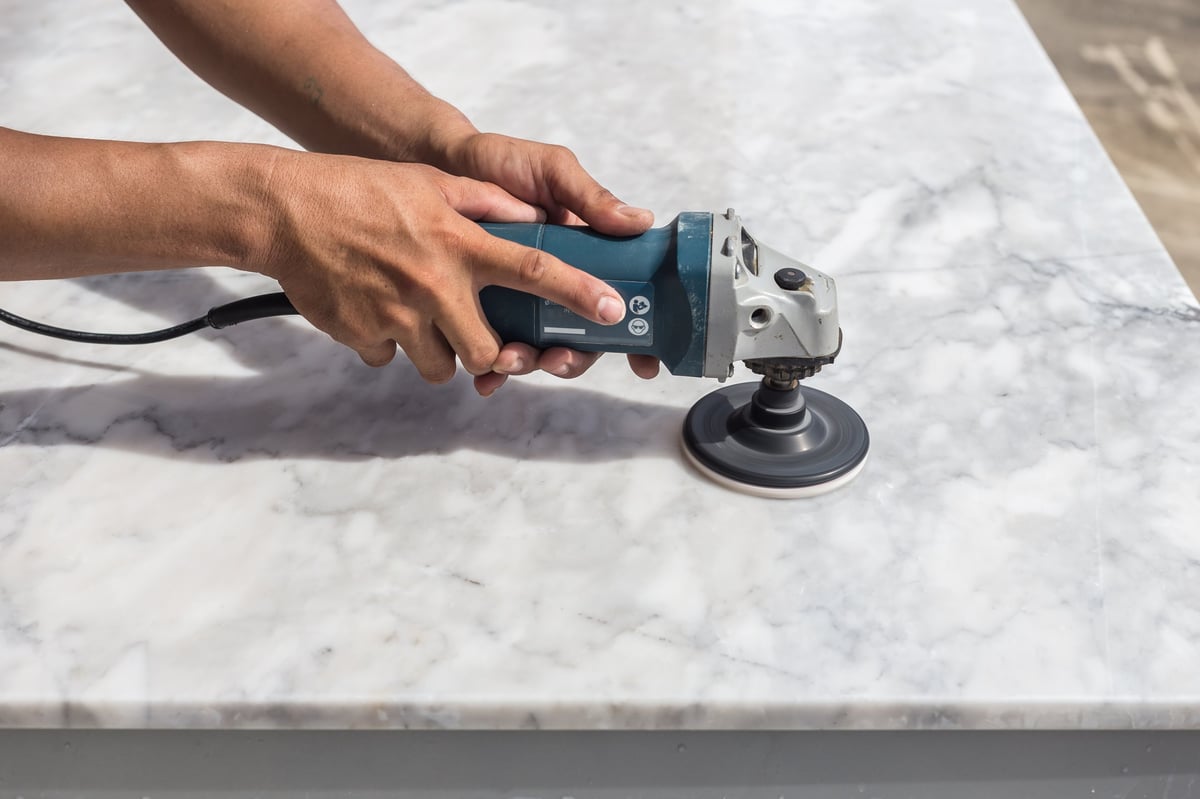
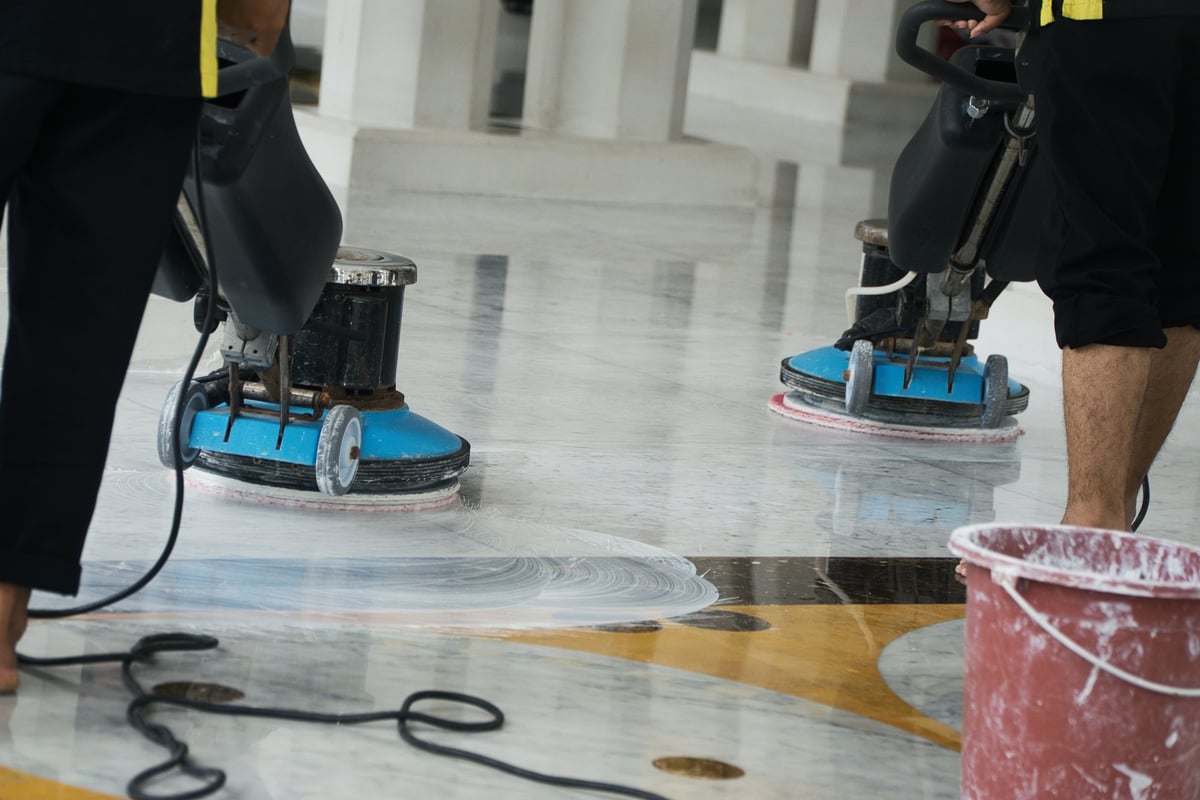
Using diamond abrasives, we carefully remove a microscopic layer of marble, eliminating scratches. Multiple grits are used progressively.
We restore the shine using polishing powders or compounds, matching the original finish (polished, honed, or leather).
A high-quality impregnating sealer is applied to protect against future staining and make maintenance easier.
Get a free assessment and quote. Professional service available in NY, NJ, CT, PA, MD & DE.
Expert advice on repairing, restoring, and maintaining Corian, HI-MACS, Staron, and all solid surface countertops.
Corian® is a brand of solid surface material manufactured by DuPont (now owned by Corian Design). Introduced in 1967, it revolutionized kitchen and bathroom design by offering a seamless, non-porous surface that combines beauty with durability.
Made from approximately 1/3 acrylic polymer and 2/3 natural minerals (aluminum trihydrate derived from bauxite ore)
Can be thermoformed and joined with nearly invisible seams for a continuous, flowing surface
Unlike granite or quartz, Corian can be sanded, buffed, and restored to like-new condition
Expert answers to the questions customers ask most about marble, Corian, and solid surface countertop repair
Yes! Professional honing and polishing can remove scratches from marble. Light scratches may only need polishing, while deeper scratches require progressive diamond honing followed by polishing to restore the surface.
Etch marks (dull spots from acidic substances) require professional polishing to remove. DIY marble polishing powders can help with minor etching, but significant damage needs professional restoration to match the surrounding finish.
In most cases, yes. Cracks can be filled with color-matched epoxy, then honed and polished to blend seamlessly. Structural cracks may need reinforcement underneath. Only severely shattered sections require replacement.
Typically every 6-12 months for kitchen countertops. Do the water drop test: if water absorbs within 5 minutes, it's time to reseal. Bathroom marble may need more frequent sealing due to constant moisture exposure.
Almost always! Professional marble repair is significantly more affordable than full replacement. Repair is completed in hours, not days, with no demolition required. Contact us for a free quote.
Marble is porous and absorbs liquids. Oil-based stains (cooking oil, cosmetics), organic stains (coffee, wine), and rust stains are most common. Proper sealing prevents most staining. Most stains can be removed with poultices.
Yes! This is Corian's biggest advantage. Unlike granite or quartz, Corian is solid throughout, meaning scratches, burns, and chips can be sanded and buffed out completely. Professional repair can restore your countertop to like-new condition.
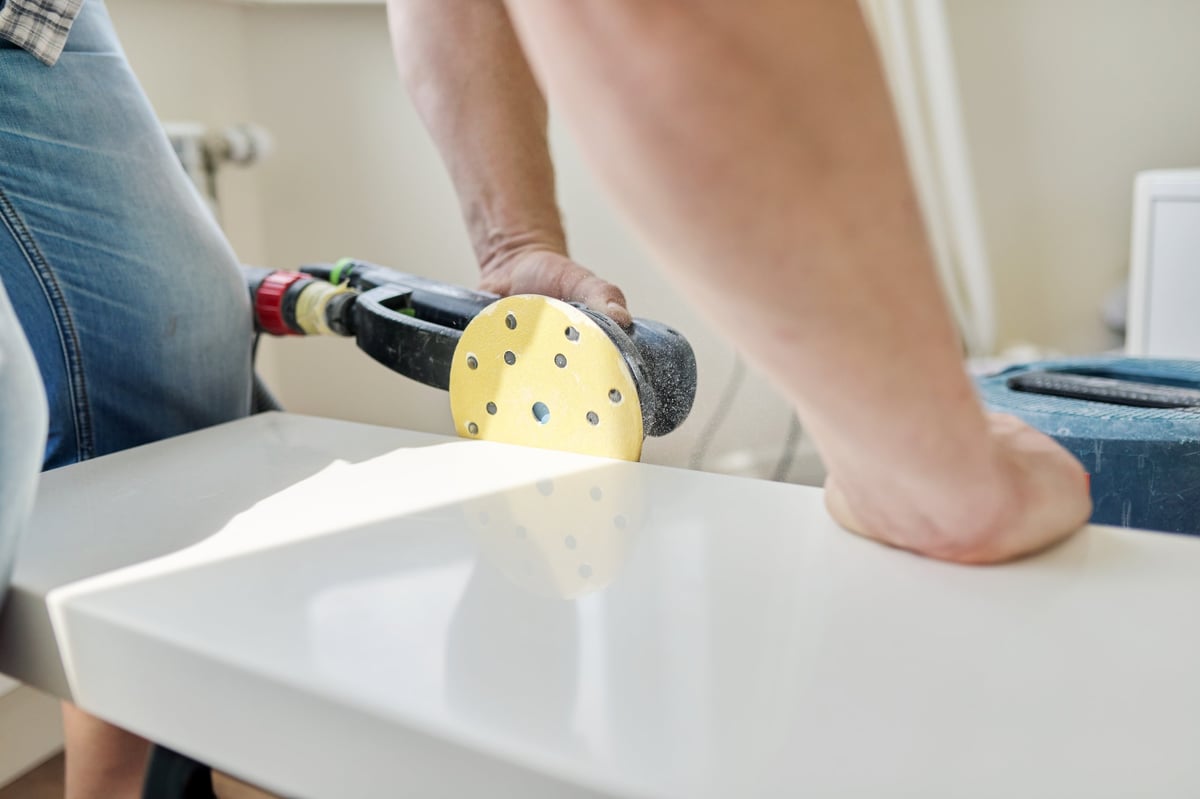
Light scratches can be buffed with a Scotch-Brite pad. Deeper scratches require progressive sanding (starting around 220-grit, up to 400+) followed by polishing. For best results, professional refinishing ensures an even, factory-quality finish.
Moderately. Corian can withstand temperatures up to 212°F (100°C), but hot pots directly from the stove or oven can cause thermal shock, cracking, or discoloration. Always use trivets or hot pads to protect your surface.
With proper care, Corian countertops can last 25-30+ years. The key is regular maintenance and avoiding harsh chemicals. Many countertops we repair are 20+ years old and look brand new after restoration.
Not recommended. While Corian won't dull your knives as quickly as granite, cutting directly on the surface will cause scratches. Always use a cutting board to preserve your countertop's finish.
Simply use warm soapy water and a soft cloth. For deeper cleaning, use an ammonia-based cleaner (like Windex). Avoid abrasive cleaners, bleach, and harsh chemicals that can damage the finish over time.
Common causes include: thermal shock (hot pans), improper installation (lack of support), stress from heavy impacts, and structural movement. Cracks near sinks often result from inadequate support underneath.
Absolutely! Professional refinishing can remove years of scratches, stains, and dullness. We can restore matte, satin, or semi-gloss finishes. Most countertops can be refinished 3-5 times over their lifetime.
Corian is non-porous and resists most stains, but it's not stain-proof. Certain substances (hair dye, ink, strong chemicals) can penetrate if left too long. Light colors show stains more readily than darker shades.
Almost always worth repairing! Professional repair costs 60-80% less than replacement and can be done in a few hours without demolition. Only severely damaged or structurally compromised countertops need replacement.
These are the services our customers request most frequently across NY, NJ, CT, PA, MD & DE
Restore scratched, dull surfaces to factory-fresh condition with professional sanding and polishing.
Expert repair of cracks, chips, and gouges with seamless color-matched results.
Complete removal of heat damage, scorch marks, and discoloration from hot pans.
Professional removal of stubborn stains from dyes, chemicals, and everyday spills.
Fix separated, discolored, or visible seams for a seamless, unified appearance.
Complete surface restoration to bring back the original luster and beauty.
Specialized repair for integrated Corian sinks, bowls, and basin areas.
Expert color matching for repairs that blend perfectly with your existing surface.
Need one of these services?
Get a free online estimate today
Keep your countertops looking beautiful with these expert recommendations
Explore more topics about solid surface countertops
How does Corian compare to granite, quartz, and laminate? Learn the pros and cons of each material for your kitchen or bathroom.
Coming SoonFrom DuPont's 1967 invention to today's design innovations - discover how Corian revolutionized countertop manufacturing.
Coming SoonWhy repairing Corian is better for the environment than replacing. Learn about sustainability and reducing landfill waste.
Coming SoonOur experts are ready to help. Contact us for a free consultation.